Locked, Bolted, and Still Gone: Birmingham Cyclists Are Hitting Back Against the Thieves
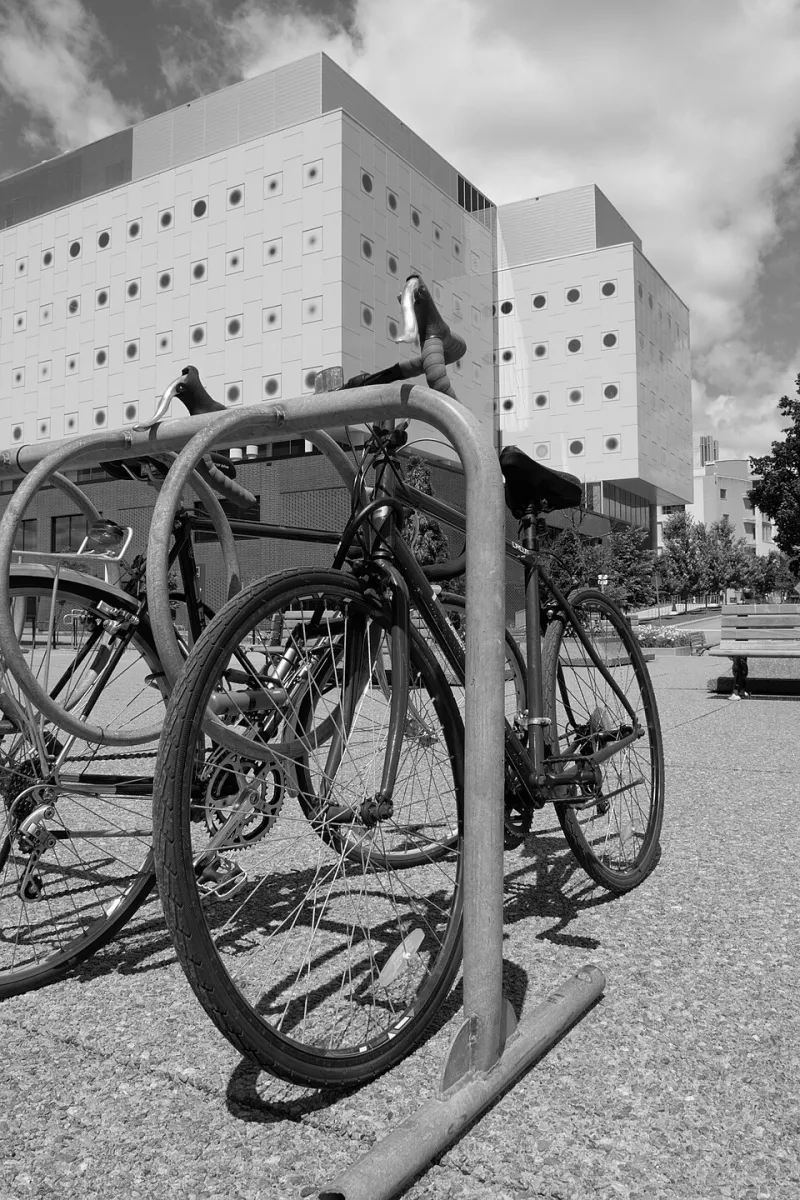
Photo: Devyn Barrie, CC0, via Wikimedia Commons
Sarah had done everything right. D-lock through the frame and rear wheel, secured to a Sheffield stand outside New Street. She was inside the station for forty minutes. When she came back, her commuter hybrid — three years old, bought second-hand, utterly irreplaceable in her mind — was gone. The lock had been cut clean through.
"I just stood there," she says. "I kept thinking I'd got the wrong stand. I walked up and down the street three times before it actually sank in."
Sarah's story is frustratingly common in Birmingham. According to West Midlands Police data, thousands of bikes are reported stolen across the city every year — and that figure almost certainly understates the real scale, since many riders don't bother reporting thefts they assume will go nowhere. For a city that's been trying to grow its cycling culture, it's a serious problem. Every stolen bike is a potential commuter pushed back onto the bus or into a car. Every theft erodes trust in public space. And for lower-income riders who can't easily replace a £400 bike, it can mean the end of cycling entirely.
But something is shifting. Across Birmingham, cyclists are organising, innovating, and refusing to accept theft as an unavoidable cost of riding. This is the story of how they're fighting back.
Where It's Happening — and Why
Bike theft in Birmingham isn't evenly distributed. City centre hotspots — particularly around the Bullring, Broad Street, and the university quarter in Selly Oak and Edgbaston — account for a disproportionate share of reported incidents. High footfall combined with poor natural surveillance and inconsistent lighting creates what one community advocate describes as "a shoplifter's paradise, but for bikes."
Student areas are hit particularly hard. Bikes left outside terraced houses or locked to garden gates overnight are prime targets, and the transient nature of student populations means thieves know victims are unlikely to pursue the matter after moving on. Erdington and Handsworth have also seen elevated theft rates in recent years, though community groups there have been among the most proactive in developing local responses.
Detective Constable Marcus Webb, who has worked on acquisitive crime cases for West Midlands Police, explains the mechanics bluntly. "Professional bike theft is organised. These aren't opportunists with a pair of bolt cutters — well, some are — but the higher-value thefts are often planned. Thieves will identify a target, note the lock type, return with the right tools. It can be over in under a minute."
That speed is part of what makes it so demoralising. Even decent security can be defeated if someone is determined enough and has the right equipment.
The Lock Hierarchy (And Why Most People Are Getting It Wrong)
Ask any experienced Birmingham cyclist about security and they'll tell you the same thing: most people are using locks that simply aren't up to the job.
The gold standard, according to both police and cycling security specialists, is a Sold Secure Gold-rated D-lock — ideally two of them, or one combined with a heavy chain. Cheap cable locks, the coiled wire variety sold in petrol stations and supermarkets, offer almost no resistance. "I've seen cable locks cut in about four seconds with a decent pair of snips," says DC Webb. "They're fine for preventing someone casually walking off with your bike, but against anyone with intent, they're decorative."
Beyond lock quality, technique matters enormously. The classic mistake is locking only the front wheel — which detaches easily — rather than the frame and rear wheel together. Equally important is how tightly the lock sits against the bike and the stand. A D-lock with significant slack gives thieves room to insert a lever or jack; a tight fit makes their job dramatically harder.
Birmingham cycling community groups have been spreading this knowledge through workshops and online guides, and there's evidence it's working. One group in Stirchley reported that after running a "Lock It Right" session at a local café, follow-up surveys showed a significant drop in reported thefts among attendees over the subsequent six months.
Registration, Marking, and the Forensic Approach
Locks are one line of defence. Identification is another — and it's one that's historically been neglected.
BikeRegister, the UK's national cycle database, allows owners to register their bike's serial number and frame details, making it far easier for police to reunite recovered bikes with their owners. West Midlands Police actively encourage registration, and some community groups in Birmingham have run free marking events where cyclists can have their frames security-coded with invisible forensic marker.
"Recovery rates for registered bikes are significantly higher," says DC Webb. "We do find stolen bikes — at markets, in sheds, occasionally being ridden by the thief — but without registration, we often can't prove ownership even when we suspect it."
GPS trackers have added a new dimension to the fight. Devices like Apple AirTags (hidden inside handlebars or under saddles) and dedicated cycling trackers have led to some remarkable recoveries. One Moseley resident, James, tracked his stolen road bike to an address in Walsall and — after calling police, not confronting the thieves himself, he's careful to emphasise — had it returned within 48 hours. "Without the tracker it would have been gone forever," he says. "It was the best £30 I ever spent."
Community Eyes and Collective Action
Perhaps the most interesting development is the rise of neighbourhood-level bike theft networks. Facebook groups, WhatsApp chains, and dedicated forums like those on the Birmingham Cyclist community boards have created informal surveillance networks that can spread information about suspicious activity or identified thieves faster than any official channel.
In Bournville and Kings Heath, residents have begun photographing anyone seen tampering with bikes in public spaces and sharing images — carefully, and with legal advice — within community groups. The deterrent effect appears to be real. "Thieves don't like attention," says one group organiser. "Even the presence of cameras, or people looking, can make them move on."
There's also growing pressure on local businesses and Transport for Birmingham to improve the quality and placement of bike parking. Poorly lit, isolated racks invite theft; busy, well-overlooked stands do the opposite. Several businesses in the Jewellery Quarter have installed CCTV directly overlooking their cycle stands following lobbying from local riders, and the results have been encouraging.
It's Not Hopeless — But It Requires Effort
Bike theft won't disappear from Birmingham any time soon. The city's density, its ongoing infrastructure gaps, and the value of modern bikes all ensure that thieves will keep trying. But the picture is genuinely more hopeful than it was even five years ago.
Sarah, the commuter who lost her hybrid outside New Street, now rides a deliberately scruffy-looking bike she bought for £80 at a car boot sale. She's registered it, fitted a tracker, and uses two locks. She's not been touched since.
"I refuse to stop cycling because of thieves," she says. "But I also refuse to make it easy for them. That's the attitude now, I think. We're not victims waiting to happen. We're wise to it."
That shift in mindset — from passive frustration to active, informed resistance — might be the most powerful weapon Birmingham cyclists have.