Riding Together: Meet the Women Who Are Changing What Cycling in Birmingham Looks Like
Photo: René Hourdry, CC0, via Wikimedia Commons
Aisha didn't own a bike until she was 34. She'd grown up in Handsworth, she told me, and cycling just wasn't something she'd ever seen herself doing. "It felt like it was for a certain type of person," she says, adjusting her helmet before a Sunday morning group ride sets off from Cannon Hill Park. "And that person didn't look like me, didn't live where I live."
Two years later, she's here every week. She's helped recruit six other women from her neighbourhood to the group, three of whom have since bought their own bikes. She's done a sportive. She's started thinking about commuting to work by bike next spring.
What changed? She found her people.
A Different Kind of Cycling Club
The group Aisha rides with — Brum Belles Cycling, one of several women-focused collectives that have emerged across Birmingham in the past five years — operates on principles that feel deliberately, consciously different from the traditional club model. There's no minimum pace requirement. There's no lycra snobbery. Nobody gets left behind.
"We genuinely do not care how fast you go," says Priya, one of the group's co-founders, with the kind of emphasis that suggests she's said it many times before and means it just as much now as she did the first time. "The whole point is that you show up, you ride at whatever pace works for you, and you go home feeling better than when you arrived. That's it. That's the whole thing."
This philosophy — deceptively simple, surprisingly radical in the context of UK cycling culture — is at the heart of what makes these collectives different. Traditional cycling clubs have historically been built around performance. They've been predominantly white, predominantly male, and often (not always, but often) unwelcoming to anyone who doesn't already fit a particular mould. The women's collectives springing up across Birmingham are building something deliberately different.
And it's working.
The Numbers Tell a Story
Female cycling participation in the UK has historically lagged well behind male participation — a gap that's been documented repeatedly in Cycling UK's annual surveys and that persists despite years of campaigns aimed at closing it. The reasons are multiple and well-rehearsed: safety concerns, lack of visible role models, the intimidating culture of some established clubs, practical barriers around childcare and time, and the simple fact that cycling infrastructure in most UK cities has been designed with a particular kind of rider in mind.
But in Birmingham, there are genuine signs of movement. Several of the women's groups we spoke to have seen their membership double or even triple since 2021. Cycling UK's West Midlands network has noted a meaningful uptick in women attending beginner sessions and led rides in the city. And at a grassroots level, the energy around women's cycling feels qualitatively different to even three or four years ago.
"I've been cycling in Birmingham for about fifteen years," says Donna, who now helps lead rides for a collective based in Stirchley. "And I can genuinely say the last couple of years have felt different. There are just more women out there. You see them. You wave at each other. There's a sense of community that didn't really exist before."
What the Collectives Actually Do
It's worth being specific about what these groups look like in practice, because they vary quite a bit. Some are informal WhatsApp communities that organise weekend rides and share route recommendations. Others have developed into more structured organisations with regular programming, partnerships with local bike shops, and relationships with schools and community organisations.
Women on Wheels West Midlands, for instance, runs a mentorship scheme that pairs complete beginners — many of whom have never ridden as adults — with more experienced riders for a series of one-to-one sessions before they join group rides. The idea is to remove the anxiety of turning up somewhere new and not knowing what you're doing.
"That first group ride can be terrifying if you're not confident," explains mentor coordinator Fatima. "You don't know the route, you don't know the people, you don't know if you'll be able to keep up. We try to make sure that by the time someone comes to their first group ride with us, they already know at least one person and they've already ridden some of the roads we use. It makes a massive difference."
Other groups focus specifically on intersectional barriers. Cycle Sisters, which operates nationally but has an active Birmingham chapter, was founded specifically to support Muslim women who cycle — addressing the specific combination of cultural, practical, and safety-related factors that can make cycling feel inaccessible. Their rides are women-only spaces, which matters enormously to many of their members.
The Barriers Are Real
None of this is to suggest that simply joining a supportive group magically dissolves the structural barriers that put women off cycling in the first place. The roads in Birmingham — like roads in most UK cities — often don't feel safe. Harassment from drivers is a lived reality for many women cyclists. Infrastructure that might feel adequate for a confident, fast-moving rider can feel genuinely threatening for someone who's newer or less assertive on the road.
"I've had things shouted at me from cars," says Kezia, 27, who joined a collective in Erdington eighteen months ago. "Not constantly, but enough that it's something I think about. Riding in a group helps, honestly. There's safety in numbers and it just feels different to being out on your own."
This is part of why the collective model matters beyond the purely social. Group riding isn't just more fun — for many women, it's more viable. It reduces the sense of exposure and vulnerability that can make solo cycling feel like too much.
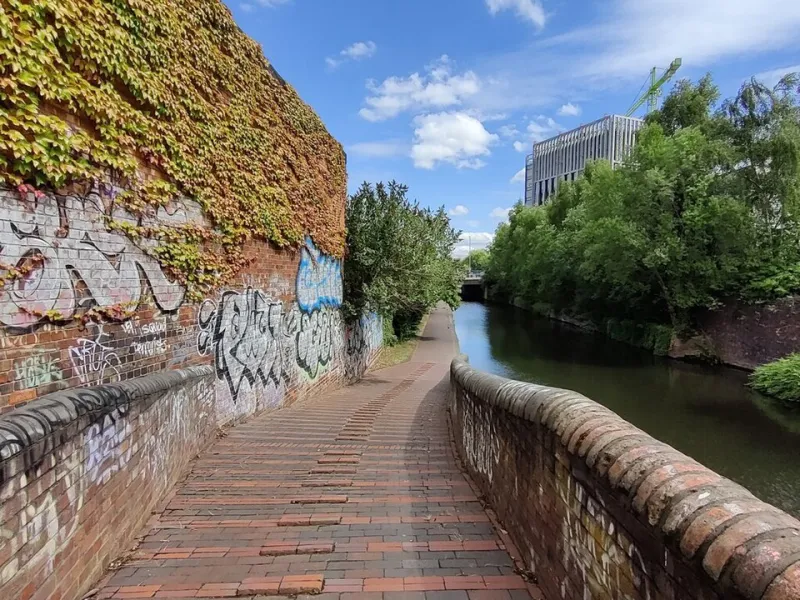
Several of the women we spoke to were also clear-eyed about the need for better infrastructure. Protected lanes, better-lit routes, improved conditions on the canal towpaths that have become popular with groups seeking car-free options — these aren't abstract policy wishes. They're the difference between cycling being accessible or not.
What's Coming Up
If you're looking to get involved, the calendar is genuinely busy. Several of Birmingham's women's collectives are hosting beginner-friendly events over the coming months, including a joint city ride planned for the spring that aims to bring multiple groups together for what organisers are billing as a celebration of women's cycling in the city. Details are still being finalised, but keep an eye on social media.
Brum Belles have a standing open ride on Sunday mornings from Cannon Hill Park — no booking required, all abilities welcome. Women on Wheels West Midlands runs regular beginners' sessions; check their Instagram for dates. And if you're looking for something more structured, British Cycling's Go-Ride and Breeze networks both have Birmingham-based rides that are specifically designed to be welcoming to newer cyclists.
More Than Just Riding
What strikes you most, spending time with these communities, isn't the cycling itself — it's what the cycling enables. Friendships. Confidence. A sense of ownership over the city, of being entitled to take up space on its roads and paths. For women who've spent years feeling like cycling wasn't for them, that shift is genuinely significant.
"I feel like Birmingham is mine in a way it didn't before," says Aisha, as the group rolls out of the car park and onto the path alongside the River Rea. "I know these roads now. I know where I'm going. That's a big thing."
It really is. And it's only getting bigger.