Built to Outlast: Why Birmingham Cyclists Are Falling Back in Love with Bikes That Were Made to Last Forever
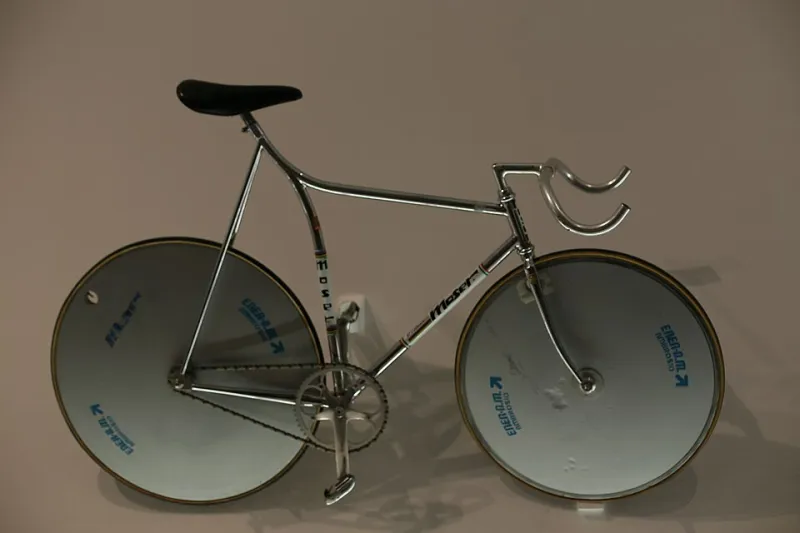
Photo: Ged Carroll from Hong Kong mostly, HKSAR, CC BY 2.0, via Wikimedia Commons
There's a Raleigh Record Ace hanging on the wall of Dave Pritchard's garage in Stirchley. It belonged to his dad. Before that, it was a shop floor display model in a Broad Street sports shop that closed sometime in the mid-eighties. Dave's ridden it to work, to the pub, and once — inadvisably, he admits — through Cannon Hill Park in the snow. The frame has one small dent near the bottom bracket. Everything else is original.
"People ask me why I don't just buy something new," he says, wiping chain grease off his hands with a rag that's clearly seen better days. "And I think — why would I? This thing is never going to end up in landfill. It's already outlasted three of my mates' carbon fibre bikes."
Dave isn't alone. Across Birmingham, a loose but growing community of cyclists is pushing back against the cycle industry's relentless churn of new models, spec upgrades, and planned obsolescence. They're hunting down old Reynolds 531 frames in the back rooms of charity shops. They're having Brooks saddles re-riveted rather than replaced. They're choosing patina over polish, and they've got strong opinions about why.
The Problem with New
Let's be honest: the modern bike market can feel exhausting. New groupset standards appear every few years, making last season's components increasingly hard to source. Carbon frames that cost thousands can crack in ways that aren't always repairable. "Buy once, buy right" has been replaced by an upgrade cycle that mirrors the worst habits of the smartphone industry.
For a city like Birmingham — one with deep manufacturing roots and a cultural instinct for making things last — that sits uncomfortably. "We used to make things here that were meant to endure," says Amara Osei, who runs a small informal bike restoration collective out of a railway arch near Digbeth. "There's something almost political about refusing to throw away a bike that's got another forty years in it."
Amara's collective, which operates on a pay-what-you-can basis, has seen a noticeable uptick in people bringing in older frames for restoration rather than asking where to buy cheap replacements. "A year ago, most people came in wanting to fix a puncture or adjust brakes. Now we're getting folk turning up with bikes from the seventies asking if we can make them road-worthy again. And the answer, almost always, is yes."
Steel Is Real (and So Is Aluminium, Done Right)
The material question matters here. Steel frames — particularly those made from quality chromoly tubing like Reynolds or Columbus — have a repairability that modern materials simply can't match. A steel frame can be brazed, welded, or straightened by a competent builder. A cracked carbon fibre frame, in most cases, is scrap.
"Steel is forgiving," says Jen Halliwell, a framebuilder based in the Jewellery Quarter who also restores vintage bikes as a sideline. "It flexes, it absorbs road buzz, and if something goes wrong, it can usually be fixed. I've had frames come in that have been hit by cars and I've been able to straighten them out. Try doing that with a carbon fork."
Jen points out that the economics aren't as stark as people assume. A quality vintage steel frame, sourced locally and restored properly, can cost less than a mid-range new bike while offering significantly better longevity. The key is knowing what to look for — and what to avoid.
"Rust is your enemy, but it's not always a death sentence," she explains. "Surface rust on a frame? Fine. Rust bubbling through at the joints or the bottom bracket shell? Walk away. The other thing people miss is checking the dropouts — they take a lot of stress and if they're bent or cracked, it's a much harder fix."
Where Birmingham Buys Old
So where do you actually find these bikes? The answer is more local than you might expect.
Birmingham's canal network and surrounding neighbourhoods have a surprisingly active second-hand bike ecosystem. The Facebook Marketplace listings for the B postcode areas are worth checking daily — frames and complete bikes turn up regularly, often from house clearances where the owner had no idea what they had. Car boot sales at places like the Aston Villa car park on Sunday mornings and the regular markets around Moseley can throw up the occasional gem.
Charity shops in areas like Harborne, Kings Heath, and Sutton Coldfield tend to price bikes higher than they used to — awareness of vintage value has spread — but they're still worth a look. The Midlands Cycling and Athletics Track (MCAT) community noticeboard and various local cycling Facebook groups are also genuinely useful, connecting people who want to rehome bikes with those actively seeking them.
"I found my Peugeot PX-10 in a skip near Moseley," says Priya Chandran, a secondary school teacher who now commutes daily on a bike that was manufactured the same year she was born. "Someone had thrown it out because a tyre was flat. I spent about sixty quid getting it sorted and it's honestly the best bike I've ever ridden."
The Maintenance Mindset
Owning a vintage bike does require a different relationship with maintenance — one that the throwaway culture has quietly trained us out of. You can't just take a 1978 Dawes to a chain retailer and expect them to know what they're doing. But that's less of a problem in Birmingham than it might be elsewhere.
The city's independent bike shop scene, while under pressure, still includes mechanics who grew up working on older machines and relish the opportunity to do so again. Knowing your local mechanic — really knowing them, by name, through conversation — becomes part of the deal when you ride vintage.
There's also the growing DIY repair culture. Amara's collective in Digbeth runs regular drop-in sessions where people can learn the basics of cable tensioning, brake adjustment, and gear indexing. "Old bikes are brilliant for learning on," she says. "The systems are simpler, the tolerances are more forgiving, and you can actually see what's happening. It demystifies everything."
More Than Nostalgia
It would be easy to dismiss all of this as mere nostalgia — middle-aged cyclists pining for a past they half-remember. But that misses what's actually happening. The people building these long-lasting bike collections in Birmingham aren't retreating from the present. They're making a considered argument about consumption, sustainability, and value.
Every vintage frame saved from landfill is a small act of defiance against an industry that profits from obsolescence. Every restored bike passed between friends, family members, or strangers through a community group is a vote for a different kind of cycling culture — one rooted in durability, repairability, and the quiet satisfaction of riding something that was built to last.
Dave Pritchard puts it simply, patting the top tube of his dad's old Raleigh. "This bike has been places. It's got a story. Something I bought from a supermarket website last week doesn't have that. It never will."
He's got a point. And in Birmingham, more and more cyclists are starting to agree.