Beyond the Price Tag: The Shocking True Cost of Cycling to Work in Birmingham
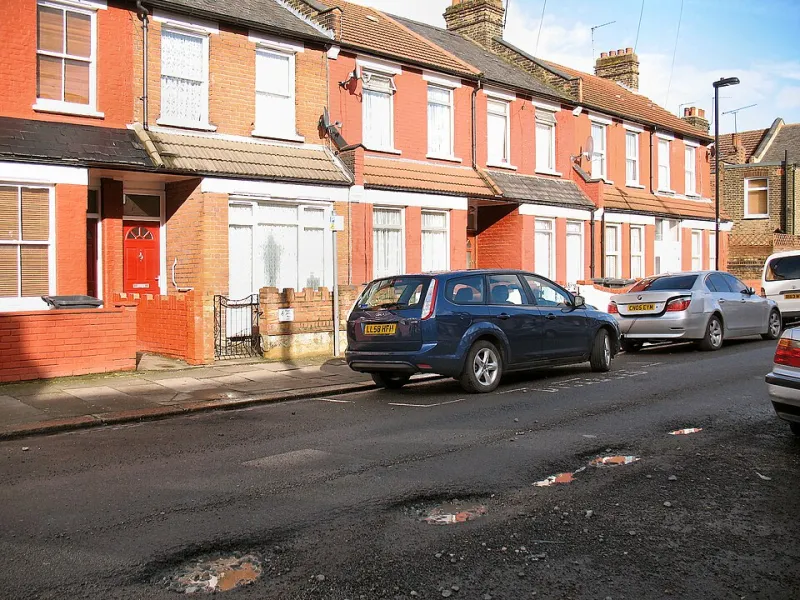
Photo: Alan Stanton, CC BY-SA 2.0, via Wikimedia Commons
The logic seems airtight. Ditch the car, skip the bus fare, hop on a bike and watch the savings roll in. It's a message cycling advocates have been repeating for years, and in theory, they're not wrong. But spend five minutes talking to actual Birmingham commuters and a rather more complicated picture starts to emerge.
"I genuinely thought I'd be quitting within six months because I couldn't afford to keep going," says Priya, a nurse who cycles between Erdington and the QE Hospital. "The bike cost me £400. In the first year, I spent nearly that again just keeping it roadworthy."
Her experience isn't unusual. Across Birmingham, cyclists are quietly absorbing a raft of costs that never feature in the cheerful infographics comparing cycling to car ownership. And when you start pulling those numbers apart, it becomes clear that Birmingham's infrastructure problems aren't just an inconvenience — they're a direct financial penalty levied on anyone who tries to commute sustainably.
The Pothole Tax
Let's start with the roads, because you can't really talk about anything else until you do. Birmingham's road surface has long been a source of frustration, but for cyclists the damage is disproportionate. A car might absorb a pothole with a thud; a bike absorbs it with a buckled wheel, a snapped spoke, or worse.
Dan Cartwright, who runs a small repair workshop near Stirchley, says he sees a clear pattern. "I get a rush of customers every autumn and winter, and it's almost entirely road damage. Bent rims, cracked tyres, broken axles — stuff that just wouldn't happen if the surfaces were better maintained. I feel bad for people, honestly. Some of them are cycling because they can't afford to drive, and then they're handing me sixty, seventy quid for repairs they shouldn't need."
The numbers are significant. Independent research from cycling organisations across the UK has consistently found that urban cyclists in cities with poor infrastructure spend between £150 and £300 more per year on maintenance than those in cities with well-maintained dedicated routes. Birmingham, with its fragmented cycle lanes and heavily trafficked shared roads, sits firmly at the expensive end of that spectrum.
Gearing Up for a Hostile Environment
Then there's the safety equipment question, and this is where things get genuinely uncomfortable for advocates who want to keep the barriers to cycling as low as possible.
In a city with coherent, protected cycling infrastructure — think the Dutch model, or even closer to home, parts of central Manchester or Bristol's expanding network — a cyclist can reasonably get away with minimal protective gear. In Birmingham, many riders feel they can't. The mix of fast-moving traffic, poorly signed shared spaces, and junctions designed with cars in mind means that a significant number of commuters feel compelled to invest in high-visibility clothing, quality helmets, lights, and mirrors that they simply wouldn't need elsewhere.
"I've got a front light, a rear light, a helmet, a hi-vis jacket, and a cycling computer so I can stick to routes I know are safer," says Marcus, who commutes from Moseley into the city centre. "None of that was optional for me. I'd have felt genuinely unsafe without it. But that's easily £200 before I've even factored in a lock."
And locks, it turns out, are a category unto themselves.
The Security Arms Race
Birmingham has a well-documented problem with bike theft. The city consistently appears in national statistics as one of the higher-risk areas for cycle crime, and the practical response from cyclists is to spend more on security. A basic cable lock offers minimal deterrence; most experienced Birmingham commuters have moved to D-locks, folding locks, or — increasingly — two-lock systems that significantly push up the initial outlay.
"You're looking at a minimum of £50 for a decent lock, probably more like £80 to £100 if you want something that'll actually stop a determined thief," explains Cartwright. "And some of my customers are running two locks, which doubles that. It's a hidden tax on cycling in the city."
Beyond the hardware, there's also the question of insurance. Specialist cycle insurance is still a niche product in the UK, but uptake is growing in urban areas precisely because theft and accidental damage are so common. Annual premiums for a mid-range commuter bike in Birmingham typically run between £80 and £150 — not ruinous, but another line item that rarely features in the "cycling is free" narrative.
What the Economists Say
Dr. Rachel Osei, a transport economist who has studied urban mobility costs across several UK cities, is direct about what's happening. "Infrastructure quality and cycling costs are deeply connected, but that connection is almost never made explicit in policy discussions. When you don't invest in protected lanes, you push the cost of safety and maintenance onto individual cyclists. It's a hidden subsidy running in the wrong direction — effectively penalising the people making the most sustainable transport choices."
She points to a straightforward comparison: in cities that have invested heavily in cycling infrastructure, not only do more people cycle, but the per-rider cost of cycling tends to fall. Better surfaces mean fewer repairs. Safer routes mean less pressure to spend on protective gear. Lower theft rates mean less spent on security. The investment pays back, just not always in ways that appear on a council spreadsheet.
"Birmingham has the potential to make this work," she adds. "But right now, the cost burden is falling on individuals rather than being absorbed through proper public investment. That's both economically inefficient and socially regressive, because it hits lower-income commuters hardest."
Who Gets Left Behind
That last point deserves to sit with us for a moment. The people most likely to benefit financially from cycling to work are those on lower incomes who might otherwise rely on expensive bus journeys or struggle with car running costs. But they're also the people least able to absorb the additional expenses that Birmingham's infrastructure gaps impose.
Priya, our nurse from Erdington, eventually found her footing — partly through a community repair group that helped her keep costs down, and partly through hard-won experience about which routes to take and which to avoid. But she's clear that the learning curve had a price. "If I hadn't been determined, I'd have given up. And I know people who did give up. It shouldn't be this hard."
What Needs to Change
None of this is inevitable. The costs Birmingham cyclists carry aren't natural features of urban cycling — they're the predictable result of underinvestment in infrastructure, inadequate road maintenance, and a theft problem that better secure parking provision could meaningfully address.
The case for investment isn't just environmental or social. It's economic. Every potential commuter who does the sums and concludes that cycling is too expensive is a missed opportunity — for their own finances, for road congestion, and for the city's broader transport goals.
Birmingham has ambitions to be a greener, more connected city. But until cycling here stops costing three times more than it should, those ambitions will keep running into the quiet, grinding reality of what it actually costs to pedal to work.