Soaked, Cold, and Still Pedalling: A Birmingham Cyclist's Honest Guide to Getting Through Winter
Photo: Kotivalo, CC BY-SA 4.0, via Wikimedia Commons
Let's not pretend. Birmingham in January is not Copenhagen. The weather is not reliably crisp and invigorating. It is, more often than not, a grey, drizzly, wind-assisted experience that tests your commitment to cycling in ways that no amount of motivational Instagram content quite prepares you for.
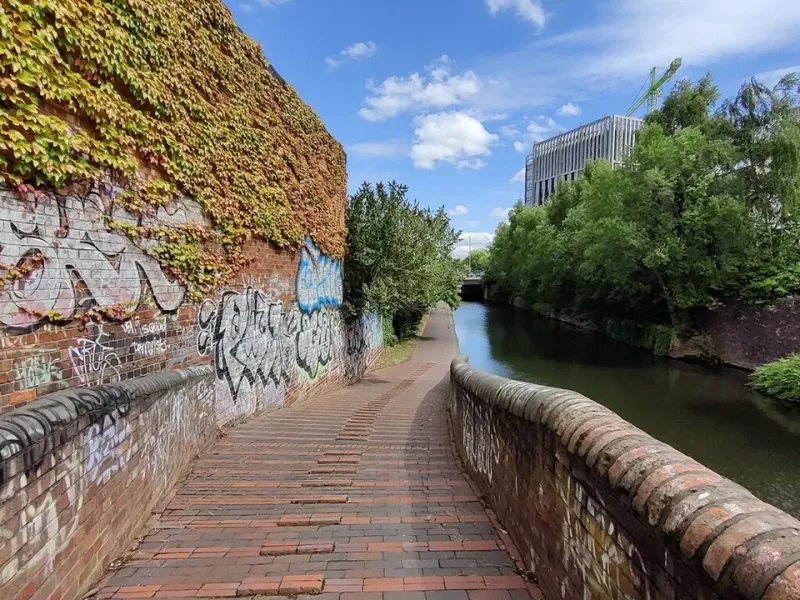
And yet, thousands of people ride through it every year. Commuters, leisure cyclists, the genuinely obsessed. They arrive at work damp around the edges but somehow satisfied. They develop opinions about waterproof gloves with the intensity most people reserve for football transfers. They know which canal towpaths turn into skating rinks and which ones drain quickly after rain.
This guide is for them — and for anyone who wants to join their ranks. No toxic positivity, no pretending it's easy. Just practical, honest advice from people who've been doing this for years.
Understand What You're Actually Dealing With
Birmingham's climate is its own particular challenge. It's not as brutally cold as northern England, which means you rarely get the crisp, dry winter days that make cycling genuinely pleasant in places like Edinburgh or Manchester at altitude. Instead, you get mild and wet. Relentlessly, persistently wet.
The city sits in a basin, which means it collects rainfall efficiently. The canal network, wonderful as it is, contributes to local humidity. And the combination of heavy traffic and frequent rain creates road surfaces that, by February, resemble a lunar landscape.
"People always say 'there's no such thing as bad weather, only bad clothing' and I partly agree," says Donna Cartwright, who has cycled to her job in Erdington from Moseley every working day for the past four years, including through two particularly grim winters. "But Birmingham weather does require a specific mindset. You have to accept that you will sometimes be wet. Not damp. Wet."
Donna's advice: make peace with this early. The cyclists who struggle most in winter are the ones still hoping to stay dry. The ones who thrive have reframed the goal as staying warm and getting home safely, with dryness as a bonus rather than a baseline.
Gear That Actually Earns Its Keep
There's a cycling gear industry that would happily sell you several hundred pounds' worth of kit every autumn, and some of it is genuinely worth buying. The trick is knowing which bits.
Waterproof jacket: Non-negotiable, but don't just grab the cheapest option. Look for something with taped seams, a longer back hem, and decent ventilation. You'll overheat more than you expect — the goal is breathable waterproofing, not a bin bag. Budget around £80-£150 for something that will actually last.
Gloves: This is where most cyclists go wrong. Thin gloves are useless below about 5°C, and Birmingham regularly dips there between November and March. Waterproof overmitts worn over thermal gloves work brilliantly. Cold hands make you a worse cyclist — slower reactions, tighter grip, more fatigue.
Lights: Winter riding in Birmingham means significant time in the dark. Don't scrimp here. A decent front light (at least 400 lumens for roads) and a visible rear light aren't optional. The city's traffic is not forgiving, and visibility matters enormously.
Mudguards: If you don't have them, get them. For yourself as much as anyone else. A wet road without mudguards means a stripe of cold, gritty water up your back within the first five minutes. Full-length guards, not clip-on racers.
Jamil Okafor, who rides from Handsworth to the city centre most mornings, swears by overshoes for his feet. "I resisted for two years because they look ridiculous," he admits. "Then I tried them. Genuinely transformative. Warm feet change everything about a winter ride."
The Pothole Problem
Birmingham's road surfaces are, to put it charitably, characterful. Winter makes them worse. The freeze-thaw cycle that batters tarmac all winter, combined with the city's already stretched road maintenance budget, means that by February you're navigating a course that would give a mountain biker pause.
Practical responses: run slightly lower tyre pressure than you would in summer (it absorbs impact better), keep your eyes further ahead so you're not constantly swerving at the last second, and learn which roads are reliably bad. The Pershore Road after heavy rain. Certain stretches of the A34. That one bit near Selly Oak that seems to get worse every year. Local knowledge is genuinely useful here — ask in cycling groups, check the Birmingham Cyclist community forums, build up your mental map of the worst offenders.
Also: check your wheels more regularly in winter. Potholes damage rims in ways that aren't always immediately obvious. A quick spin of the wheel and a visual check after any significant impact is a habit worth developing.
Mental Resilience (Without the Buzzwords)
Here's the honest version of the mental side of winter cycling: some mornings, you genuinely won't want to go. The bed is warm. The weather app shows rain. The motivation that felt solid in October has gone quiet.
The cyclists who ride year-round mostly say the same thing: the decision is hardest in the five minutes before you leave, not on the bike. Once you're moving, it's almost always fine. So the trick is to make the decision easier — kit laid out the night before, a route you know well, a small reward at the other end (the specific coffee, the podcast you save for rides).
Donna has a rule she calls the "ten minute test." If she's still miserable after ten minutes of riding, she turns back. She says she's turned back twice in four years.
When to Actually Stay Home
This matters, and not enough people say it plainly: some conditions genuinely warrant leaving the bike behind.
Ice is the obvious one. Birmingham doesn't get heavy snow very often, but it gets ice more than people admit — particularly on canal towpaths and quieter roads that don't get gritted. Black ice is invisible and it will put you down without warning. If temperatures have been below zero overnight and the roads look shiny, take the bus.
Fog reduces your visibility to other road users dramatically, and no amount of lights fully compensates. Heavy rain combined with fast roads is a genuine risk calculation, not a character test. Knowing when to make the sensible call is part of being a year-round cyclist, not a failure of commitment.
"I've been riding through Birmingham winters for years and I still check conditions every morning," says Jamil. "Some days I decide it's not worth it. That's not weakness — that's just sense."
The Payoff
Here's the thing nobody tells you before you commit to winter cycling: the bad days make the good ones extraordinary. A clear, cold morning in February with the canals still and the city quiet before rush hour — that's a ride you remember. The satisfaction of arriving somewhere under your own steam when everyone else has been sitting in traffic is disproportionate to the effort.
Birmingham rewards the cyclists who stick around through the difficult months. The city looks different in winter. The industrial architecture hits differently in grey light. The quiet stretches of towpath feel like secrets.
Get the gear right, learn the roads, be honest about the risks, and then just ride. The dark months pass. They always do.