Pedalling Against the Tide: How Birmingham's Cycling Advocates Are Winning the Battle for Better Streets
Photo: Michael Vadon, CC BY-SA 4.0, via Wikimedia Commons
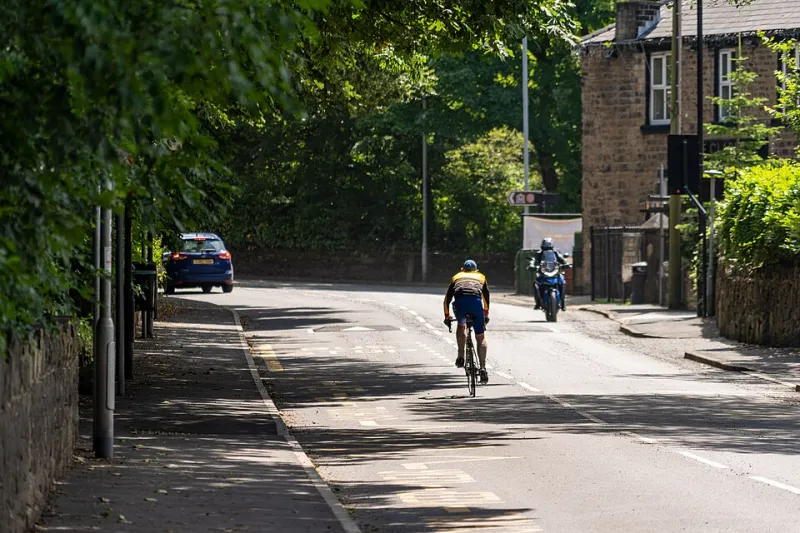
There's a particular kind of determination you find in a Birmingham cyclist. It's forged on roads that weren't designed with you in mind, at junctions where lorries edge too close, and on pavements that have quietly absorbed decades of frustrated two-wheeled commuters who had nowhere else to go. But something is shifting in the Second City — and the people behind that shift aren't waiting for permission.
The Problem With the Status Quo
Birmingham was built, in many ways, for cars. The inner ring road, the sprawling retail parks, the dual carriageways that slice through residential neighbourhoods — the city's post-war planning legacy left cyclists as an afterthought at best, a hazard at worst. For years, that felt like an immovable fact of life.
"When I started commuting by bike about eight years ago, people looked at me like I was slightly unhinged," says Priya Sandhu, a nurse who cycles from Erdington to the Queen Elizabeth Hospital most mornings. "The roads felt hostile. There were no real facilities. You just got on with it and hoped for the best."
That experience is common. But what's changed is that riders like Priya are no longer just getting on with it in silence.
Grassroots Pressure, Real Results
Across Birmingham, a patchwork of cycling advocacy groups has been quietly building influence — attending planning meetings, submitting formal consultation responses, organising mass rides, and making noise on social media when dangerous junctions get ignored. Groups like Cycling UK's West Midlands branch, Birmingham Cycling Revolution supporters, and local neighbourhood cycling collectives have developed a surprisingly sophisticated approach to lobbying.
"We learned pretty quickly that turning up to a public meeting and just being angry doesn't work," explains Marcus Webb, a retired teacher who now volunteers with a cycling campaign group based in Kings Heath. "You have to come with data. You have to show footfall counts, near-miss records, comparative studies from other cities. You have to speak the language of planners."
That approach has paid dividends. The Moseley Road corridor, long notorious among cyclists for its narrow lanes and aggressive traffic, has been on campaigners' radar for years. After sustained pressure — including a detailed dossier submitted to Birmingham City Council outlining collision data and resident testimonies — the area was included in a wider active travel review. It's not a victory yet, but it's movement.
Inside the Council: A Planner's Perspective
It would be easy to paint Birmingham City Council as the villain in this story. The reality is more complicated. Budget pressures, competing priorities, and the sheer complexity of retrofitting cycling infrastructure into a Victorian-era street network make progress genuinely difficult.
"I want the same things the campaigners want," says one council transport planner who asked not to be named. "Protected lanes, safer crossings, proper secure parking at key destinations. The challenge is always sequencing it, funding it, and getting community buy-in from people who aren't cyclists and are worried about losing parking spaces or changing traffic flows."
That tension — between cycling advocates and non-cycling residents — is real and worth acknowledging. The car-free zone proposals floated for parts of the city centre have drawn both enthusiastic support and fierce opposition. Getting people out of cars isn't just an infrastructure problem; it's a cultural one.
The Commuter Effect
Perhaps the most powerful argument for change isn't coming from campaigners at all — it's coming from the sheer number of people who've simply started cycling and discovered it works. Birmingham's cycling numbers have grown steadily since the pandemic, with many commuters who borrowed a bike during lockdown never quite going back to the bus or the car.
"I used to spend forty-five minutes on the 50 bus from Stirchley to the city centre," says Daniel Okoye, a graphic designer who now cycles the route in under twenty minutes. "Now I can't imagine going back. But I also know I'm lucky — my route is relatively manageable. A lot of people are still on roads where you'd have to be either brave or slightly daft to try it."
That gap between the accessible and the hostile is exactly what advocates are trying to close. The argument is straightforward: if you build safe infrastructure, more people will cycle. More cyclists mean more political pressure for even better infrastructure. It's a virtuous cycle — if you'll excuse the pun.
What a Better Birmingham Could Look Like
Visit cities like Seville, Utrecht, or even closer to home, Waltham Forest in London, and you start to see what's possible when cycling infrastructure is treated as a genuine priority rather than a bolt-on. Protected lanes separated from traffic. Quiet neighbourhood streets filtered to remove through-traffic. Junctions redesigned around pedestrians and cyclists rather than vehicle throughput.
Birmingham isn't there yet. But the conversation has changed. The West Midlands Combined Authority's ambitions around active travel, the funding streams tied to levelling-up and net-zero commitments, and the growing body of local advocates who know how to make their case — all of it creates a genuine window of opportunity.
"I think we're at a tipping point," says Marcus. "It's not inevitable. We could still get it wrong, still build half-measures that don't actually make people feel safe. But for the first time in a long time, I feel like the direction of travel is right."
For Priya, the change she's waiting for is simpler and more personal. "I just want my daughter to be able to cycle to school safely," she says. "That's it. That's the whole ask."
In a city that's spent decades prioritising the car, that seems like the least Birmingham can offer.