Joined-Up Thinking? The Patchwork Reality of Cycling Infrastructure in Birmingham
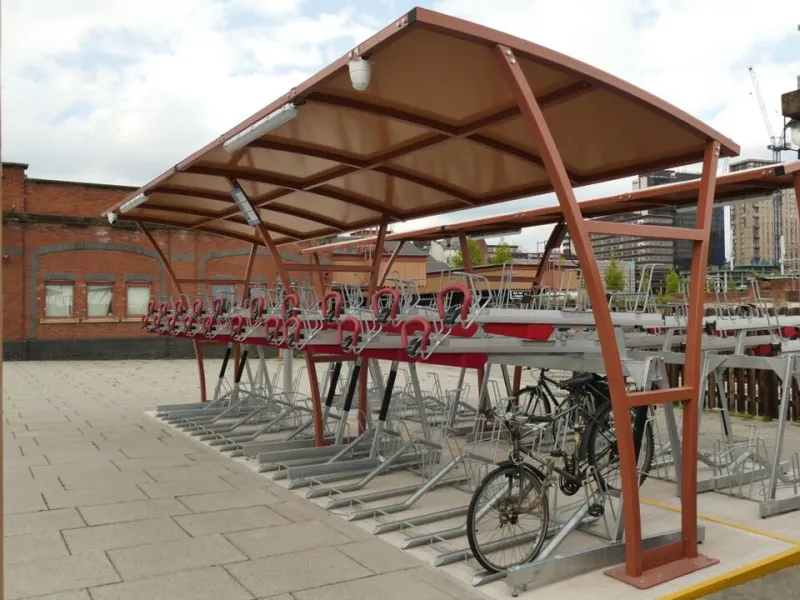
Photo: Stephen Craven , CC BY-SA 2.0, via Wikimedia Commons
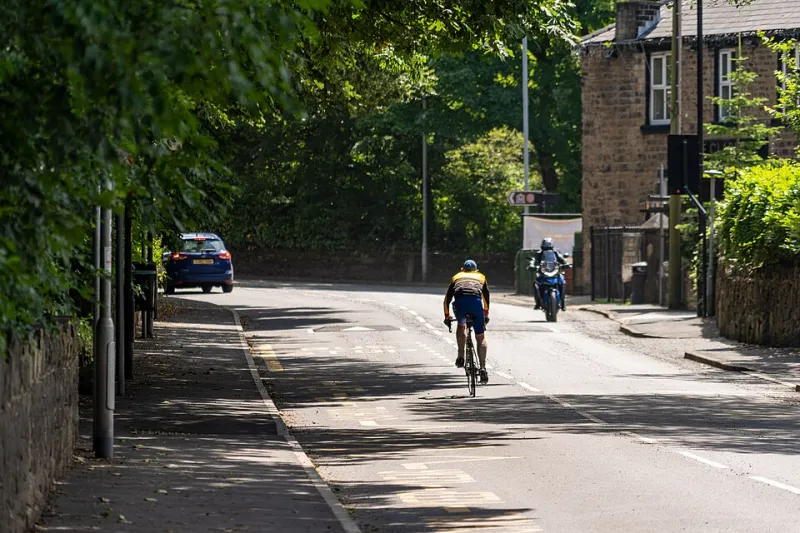
There's a particular kind of frustration that Birmingham cyclists know intimately. You're rolling along a freshly painted, properly protected cycle lane — feeling, briefly, like the city actually wants you there — and then it just... stops. A dropped kerb, a faded painted line, a stretch of dual carriageway with no concession to your existence whatsoever. You're back in traffic, negotiating with a van driver who's already late, wondering what on earth the plan was.
The answer, depending on who you ask, is complicated.
A City Built for Cars, Retrofitted for Everything Else
Birmingham didn't become the UK's second city by being pedestrian-friendly. It was rebuilt in the postwar decades around the private motor car with an almost evangelical conviction. The inner ring road, the Queensway tunnels, the spaghetti junction — these weren't accidents. They were deliberate choices made by planners who genuinely believed the future was four wheels and a combustion engine.
Retrofitting cycling infrastructure onto that legacy is, as one urban designer who works with Birmingham City Council put it to us, "like trying to thread a needle while someone keeps moving the fabric." The road network was designed with very little space to spare, which means every metre of protected lane involves negotiation — with highways engineers, with bus operators, with businesses worried about loading bays, with residents who don't want to lose a parking space.
"The political will is there more than it's ever been," she told us. "But political will doesn't automatically translate into physical space. You still have to fight for every bit of it."
Why Some Streets Have It and Others Don't
If you've ever wondered why Stratford Road has a reasonable stretch of protected infrastructure while a parallel route nearby offers nothing but a faded advisory lane and a prayer, the answer usually comes down to a combination of funding streams, historical accident, and timing.
Birmingham has benefited from several rounds of Active Travel England funding in recent years, as well as earlier Cycling and Walking Investment Strategy money. But these grants come with conditions, timescales, and specific outcome requirements. Projects get designed around what's fundable rather than what's most needed. A route might get built not because it fills the most critical gap in the network, but because it was shovel-ready when the funding window opened.
One commuter we spoke to — a secondary school teacher who cycles from Stirchley to the city centre most days — described the experience with weary precision. "There are three or four stretches where I feel genuinely safe," she said. "Then there are the bits in between where I'm basically just hoping. I know the route. I know where the dangerous bits are. But a new cyclist? They'd have no idea what they were getting into."
That gap between the experienced rider's mental map and what the infrastructure actually communicates to newcomers is, arguably, one of the biggest barriers to cycling growth in Birmingham right now.
The Connectivity Problem
Talk to anyone who works in cycling infrastructure design and the word you'll hear over and over is connectivity. A protected lane that doesn't connect to anything else isn't just useless — it's potentially dangerous, because it encourages cyclists to start a journey in a mode of travel that the surrounding network can't sustain.
Birmingham's current cycling network has been described by its own advocates as "islands of good practice in a sea of compromise." The Rea Valley Route is a genuine achievement. Parts of the city centre have seen real improvement. But link those up with where most people actually live — in the outer suburbs, in areas like Erdington, Handsworth, or Northfield — and the picture gets much murkier.
"We talk about networks, but what we've actually built is a collection of individual schemes," admitted a transport planner who asked not to be named. "They weren't designed together. They don't always join up. And the funding model makes it really hard to take the kind of long-term, city-wide view that would actually solve the problem."
Active Travel England's inspectors have made similar observations about Birmingham's submissions. The pressure is mounting to demonstrate not just that lanes exist, but that they form part of a coherent, legible system that someone without specialist knowledge could actually use.
What Good Looks Like — and Whether Birmingham Can Get There
It's worth being clear: some of what Birmingham has built in recent years is genuinely good. The protected infrastructure on parts of the A34 corridor has made a measurable difference to cycling numbers. The investment in Digbeth and around the new HS2 development zone represents an opportunity to embed cycling into new urban fabric from the start rather than bolting it on afterwards.
And there are planners within the council and at Transport for West Midlands who clearly understand what a truly connected network would look like. The West Midlands Cycling Charter, the Local Cycling and Walking Infrastructure Plans — the strategic documents exist. The vision is articulable. The question is execution.
"Every city that's got this right — Amsterdam, Copenhagen, even some of the Dutch cities people haven't heard of — they committed to the network, not just the individual scheme," said one cycling advocate who's been pushing on Birmingham's infrastructure for the better part of a decade. "They decided that every decision about road space would be made with cycling in mind. We're not there yet. But we're closer than we've ever been."
Closer, perhaps. But for the commuter dropping off a protected lane into a hostile dual carriageway, closer doesn't feel like enough.
The Invisible Made Visible
Part of what makes Birmingham's infrastructure so maddening is how invisible its inadequacies are to non-cyclists. Drivers don't notice the gap in the lane. Pedestrians don't see the dangerous pinch point. The compromises are borne almost entirely by the people on bikes — and they're borne quietly, because complaining too loudly risks being told you shouldn't be cycling there in the first place.
But that's changing. The growth of cycling communities across the city, the rise of local advocacy groups, the increasing willingness of councillors to actually ride the routes they're voting on — all of it is creating a more visible, more vocal constituency for infrastructure that actually works.
The patchwork isn't inevitable. It's the product of choices — some understandable, some baffling — made over decades by people who mostly weren't cyclists themselves. Making different choices is entirely possible. It just requires deciding, clearly and consistently, that Birmingham's streets belong to everyone who uses them.
Including the people on bikes trying to figure out where their lane went.