Postcodes and Pedals: Why Birmingham's Cycling Revolution Is Leaving Its Poorest Streets Behind
There's a version of Birmingham cycling that looks genuinely exciting. New lanes, growing ride groups, a city slowly waking up to what two wheels can do. But ride ten minutes in the wrong direction — or rather, the wrong postcode — and that story falls apart pretty quickly.
The uncomfortable truth is that cycling investment in Birmingham isn't distributed evenly. Not even close. And the communities bearing the brunt of that imbalance aren't the ones with the loudest voices at council meetings.
Two Cities, One Cycling Network
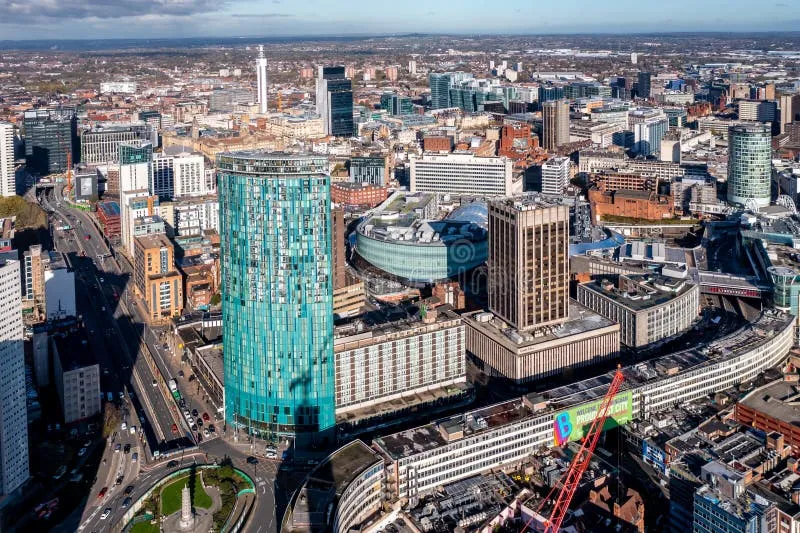
Spend any time comparing cycling provision across Birmingham's neighbourhoods and patterns emerge that are hard to ignore. Areas like Moseley, Harborne, and Bournville — broadly speaking, more affluent, more owner-occupied — tend to benefit from better road surfaces, more thoughtful junction design, and in some cases, dedicated infrastructure built or upgraded in recent years.
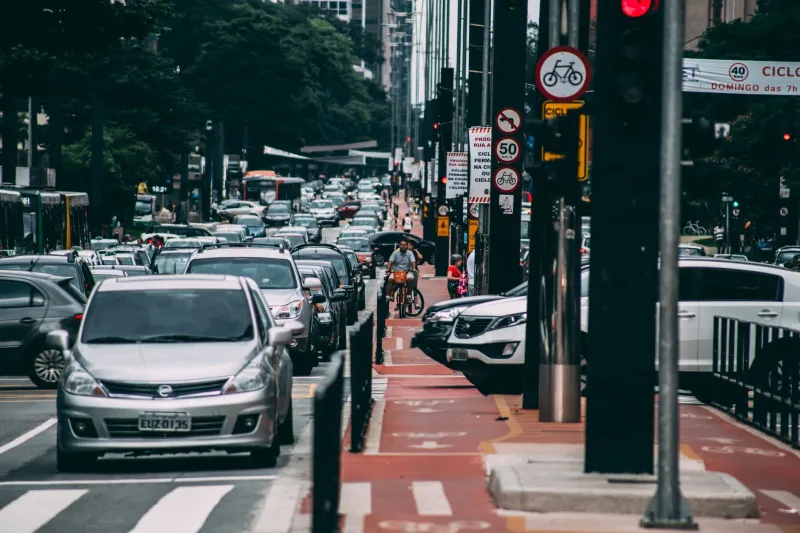
Then look at Erdington, Lozells, Kingstanding, or parts of Sparkbrook. The picture is different. Roads in worse condition. Junctions that feel hostile. Cycle lanes that appear briefly, then dissolve into nothing. Bike parking that simply doesn't exist. These aren't areas without cyclists — people ride there every day, out of necessity as much as choice. But the infrastructure treats them as afterthoughts.
This isn't just anecdote. Transport poverty researchers have consistently found that lower-income urban communities face compounding barriers to active travel: worse road conditions, higher traffic volumes on residential streets, less green space to ride through, and fewer safe routes to schools, job centres, or town centres. Birmingham is no exception.
The People Who Actually Need to Ride
Here's the thing that gets lost in a lot of cycling conversation: for many people in this city, cycling isn't a lifestyle choice or a weekend hobby. It's the most affordable way to get to work, to get to the shops, to get the kids to school. When the infrastructure fails those journeys, the consequences are real and immediate.
Take a working parent in Nechells trying to get to a shift job in Aston. The route should be manageable — it's not far. But string together a broken cycle lane, a junction with no safe crossing, a stretch of road where HGVs squeeze past with inches to spare, and suddenly the calculation changes. The bike stays in the shed. The bus costs money they'd rather not spend. The car, if they have one, gets used instead.
This is how cycling deserts are maintained. Not through a single dramatic failure, but through the accumulation of small ones — each individually dismissible, collectively devastating.
Where the Money Goes
Funding decisions for cycling infrastructure don't happen in a vacuum. They respond to lobbying, to organised community voices, to planning consultations that require time, confidence, and often fluency in bureaucratic language to engage with meaningfully. Communities that are already stretched — working longer hours, dealing with housing instability, navigating language barriers — are less likely to show up to those meetings. And so, over time, investment follows the path of least resistance.
There's also a subtler dynamic at play. Cycling has, fairly or not, developed an image problem in parts of Birmingham. In some working-class communities, it's still associated with either childhood or poverty — not something adults do by choice, and certainly not something worth campaigning for. That perception makes it harder to build grassroots pressure for better infrastructure, even when the need is acute.
Council officers will point to constraints: limited budgets, competing priorities, the sheer complexity of retrofitting cycling infrastructure into streets built for a different era. All of that is real. But it doesn't fully explain why some areas consistently miss out while others see repeated rounds of improvement.
Activists Pushing Back
The good news — and there is some — is that people are noticing, and organising.
Groups like Cycling UK's local branches and various community transport advocates have been increasingly vocal about the equity dimension of Birmingham's cycling provision. They're pushing for infrastructure decisions to be assessed not just on usage data (which inevitably favours areas where cycling is already established) but on potential — on where cycling could make the biggest difference to people's lives if the conditions were right.
Some of the most effective work is happening hyperlocally. Residents in areas like Handsworth and Winson Green have been mapping dangerous junctions, photographing deteriorated surfaces, and presenting the evidence directly to ward councillors. It's slow, often frustrating work, but it's producing results in places — a crossing improved here, a lane remarked there.
There's also a growing conversation about who gets to define what cycling infrastructure looks like. Consultation processes that assume everyone has a smartphone, speaks fluent English, and can attend a Tuesday evening meeting in a civic centre exclude exactly the people most affected by poor provision. Better-designed engagement — translated materials, pop-up consultations in community spaces, working through trusted local organisations — is starting to appear, but it needs to become standard practice rather than the exception.
What Equitable Infrastructure Actually Looks Like
Equity in cycling infrastructure doesn't mean identical provision everywhere. It means provision that responds to actual need. In practice, that might look like:
- Safe routes to employment hubs in areas where car ownership is low and public transport connections are poor
- School streets programmes in neighbourhoods with high child pedestrian casualties, not just those with engaged parent governors
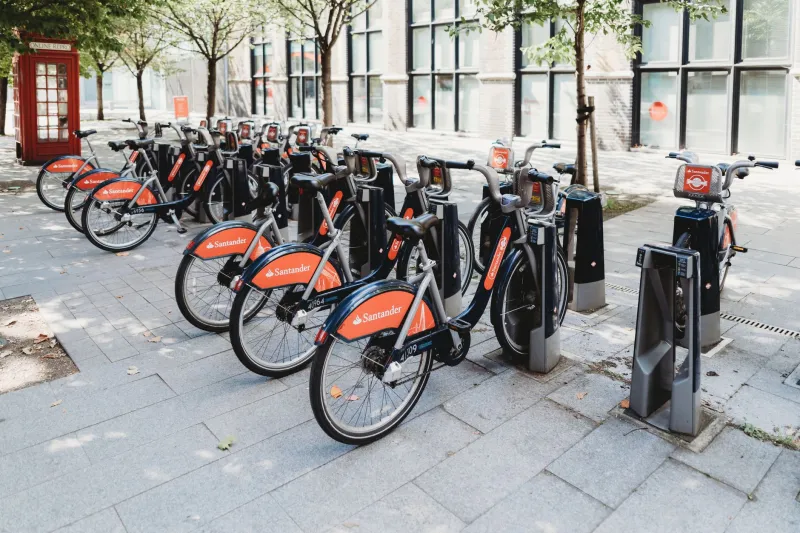
- Secure, covered bike parking at community centres, libraries, and GP surgeries in areas where home storage is difficult — think terraced streets, flats, shared houses
- Road surface maintenance prioritised by need rather than by proximity to routes that already attract confident cyclists
None of this is radical. It's just planning that takes seriously the idea that cycling should work for everyone, not just those already inclined to do it.
The Bigger Picture
Birmingham has genuine ambitions around active travel. The political will, at least rhetorically, exists. But ambition without equity is just gentrification on wheels — a cycling city that works beautifully for some and remains invisible to others.
The communities currently underserved by cycling infrastructure aren't asking for luxury. They're asking for roads that don't wreck their bikes, routes that don't feel like a threat assessment, and the basic respect of being included in a city that keeps talking about its cycling future.
Until postcode stops being the single biggest predictor of whether cycling is a realistic option for a Birmingham resident, that future remains incomplete. And the people who understand that most clearly are the ones already riding through it every day — just without the infrastructure to make it anything other than an act of stubborn determination.